"Frankly, My Dear, I Don't Give a Damn": The Journey to the End of Strict Censorship
Hello, dear supporters of filmdelafilm. At the time I am writing this article, we are already 32 members in this community of film enthusiasts. I sincerely value your presence here and would like to thank you for being part of filmdelafilm. Thank you! :) To give you a short sneak-peek read, In this episode, I would like to introduce you to the golden age of Hollywood, the period between the 1930s and 1950s which represents the peak of the so-called 'classical Hollywood'. The era dominated by the studio system, stars, clear storytelling, and strict censorship. Let's go!
When you think about Hollywood, what do you imagine first? Is it one of your favorite movies, or perhaps the iconic symbol installed in the hills area of Los Angeles, California? Did you know that the Hollywood sign was originally installed in 1923 as "Hollywoodland"? In 1949, the "Land" was removed, and the sign transformed into the "Hollywood" as we know it today. Later, in 1978, the old wooden structure of the sign went through a complete reconstruction. It was replaced by a durable steel and concrete framework.
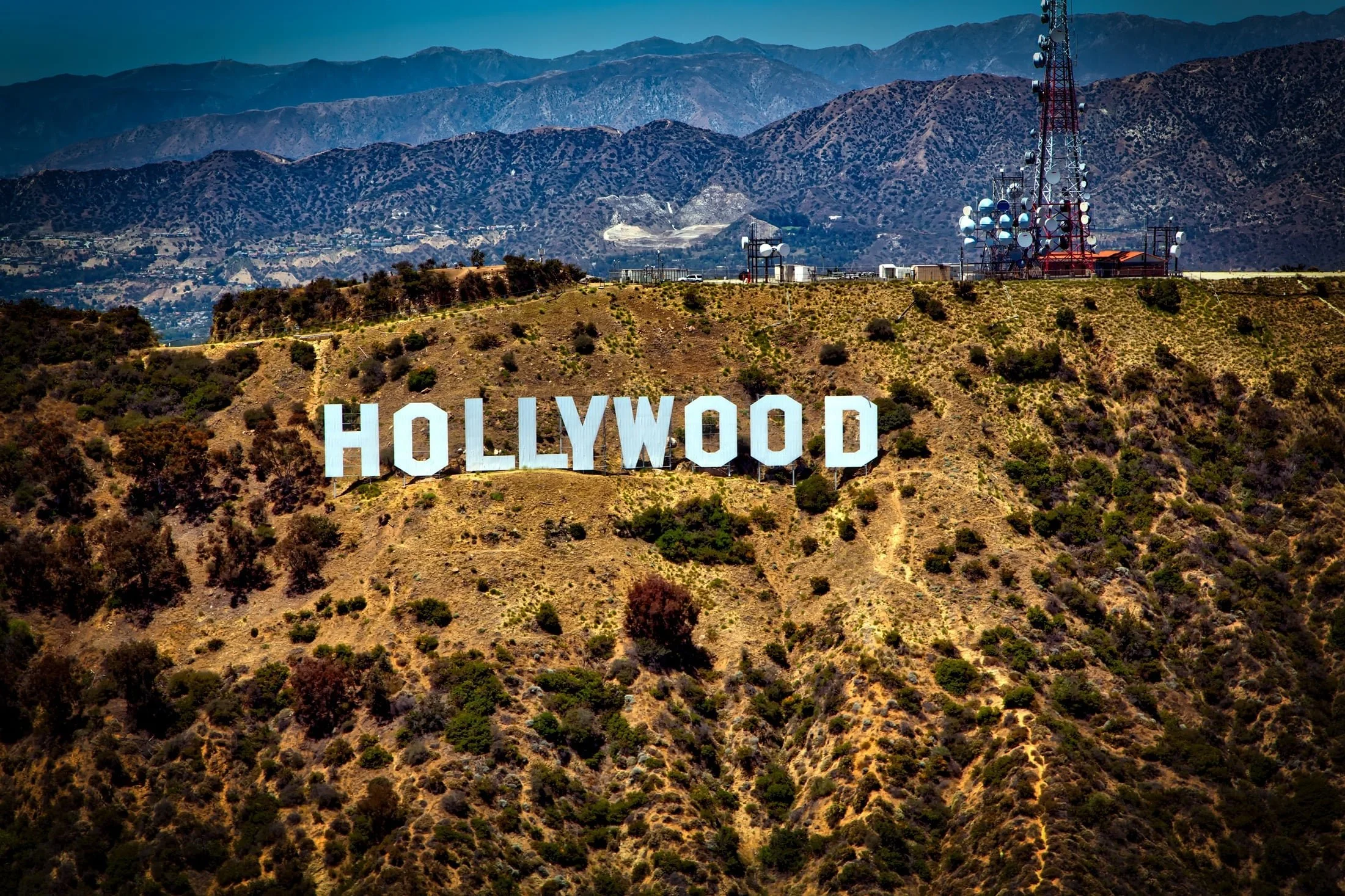
Hollywood on Mount Lee in the Hollywood Hills area of Los Angeles, California.
Let's talk about THE golden age of Hollywood, and not only about a historical period of film production, but let's also present it as a dear moment when the cinema transformed into something huge: a cultural phenomenon! This period was remarkable not only because of the famous films; it represented a complex system of production that combined a way of storytelling with aesthetics, economics and ideology to form a unified model. Because of that, classic Hollywood is often referred to as a mode of production, the way of operating the film industry in its entirety. The foundation of the golden age was the studio system, which operated like a precisely managed industrial mechanism. During this period, a few major companies controlled the film, from the creation to its screening in cinemas. This was known as vertical integration; the studios controlled production of film, distribution of it and even the theatres.
To give you some example of how it worked, I would like to mention the movie called Casablanca from 1942. This film was made entirely at Warner Bros. Studios. The actors were bound by contract and under full production control, and the result was a perfectly packaged product that was visually and narratively planned. The pros of the system were in the efficiency because studios could produce hundreds of films annually. However, the huge limitation was in creativity, as the directors often worked according to strict rules and unfortunately did not have full control of their artistic imagination.
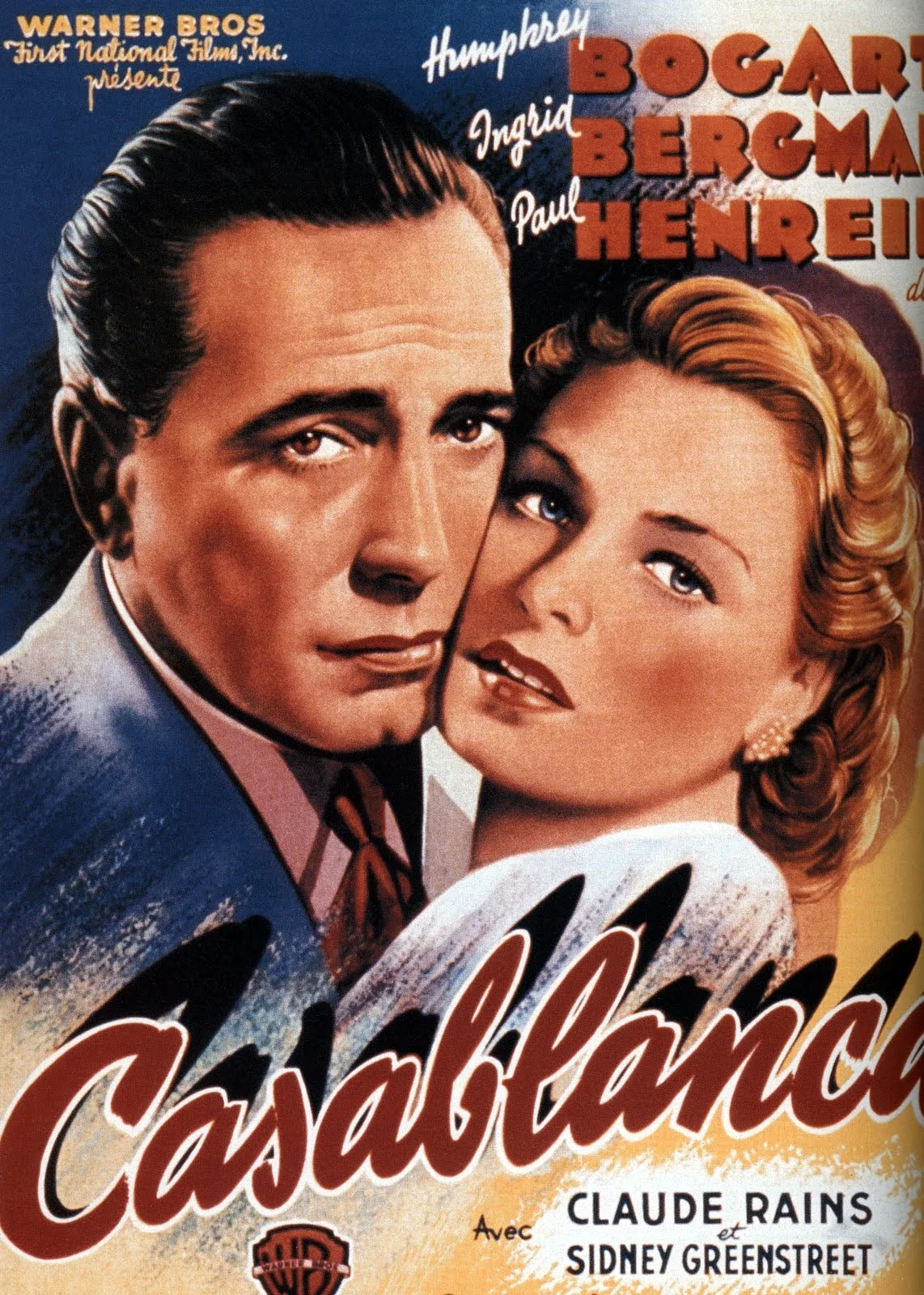
Click the image to watch a trailer for Casablanca from 1942.
Hollywood realised that audiences did not go to theatres to see the films only; they went for the people. The star system turned actors into global celebrities. The studios produced them, changed their names and images, and controlled their careers as well as their private lives. Stars became a brand, and they guaranteed the success of a film. Is there any favourite film star that you admire and go to see every movie of? If so, what differences did you notice in each role they played? Please, share with us in the comment section!
In the romantic drama, Gone with the Wind, from 1939, Clark Gable and Vivien Leigh became icons for their performances, and that shaped their names beyond the films.
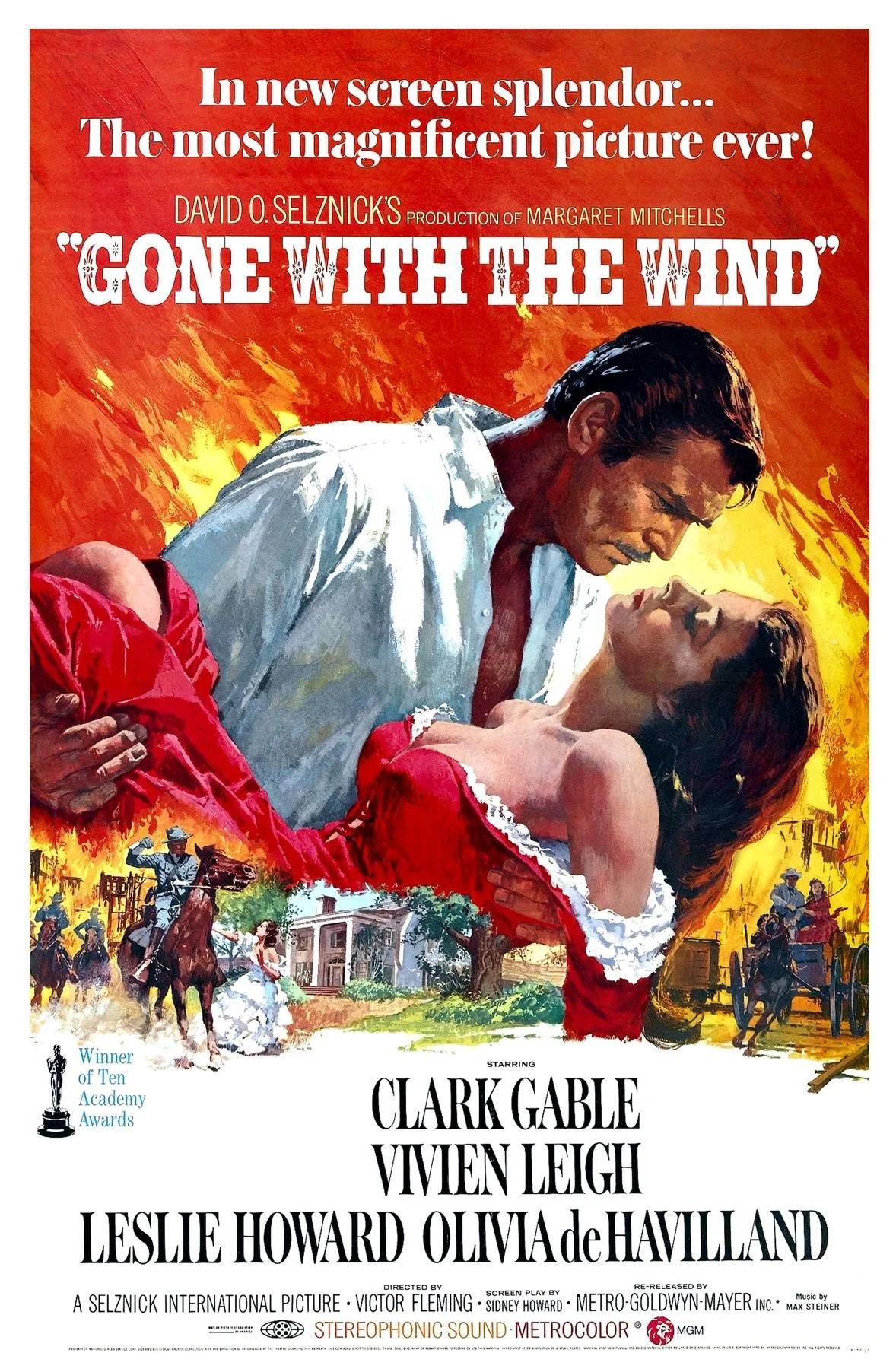
Click the image to watch a trailer for Gone with the Wind from 1939.
The Golden Age was characteristic for its clearly defined storytelling style. Films were meant to be understandable for the audience, regardless of language or culture.
Typical features of a storytelling style included the following:
linear plot (beginning, conflict, and resolution)
a clear hero with his goal/purpose
cause and effect
closed ending
An example is a movie called The Wizard of Oz from 1939. I don't want to spoil anything for you if you decide to watch the film, so in short, in the storyline, Dorothy has a clear goal: she wants to return home, and the entire story follows her journey to achieve it. The film again uses a linear structure and an emotionally satisfying ending, making it universally understandable for audiences around the world. This style is also known as the "invisible film", which is a specific technique of editing, camera, and sound that is not meant to distract from the story but to serve it.
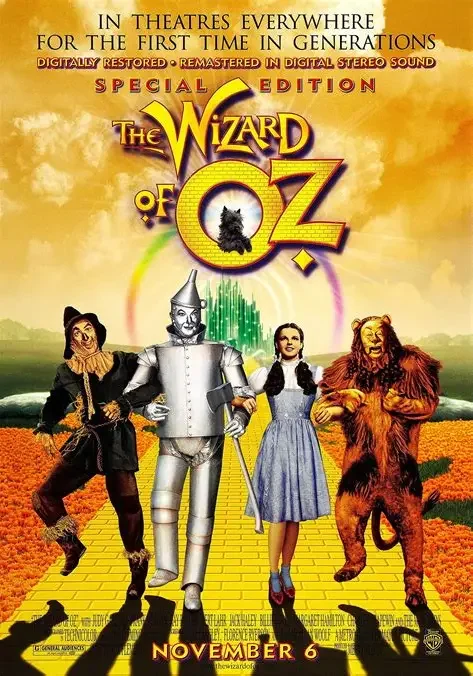
The Wizard of Oz from 1939
Do you have any preference for a film genre? I personally prefer action and dramas, but when I want to laugh and cheer up my mood, comedy is a way to go. If you have a good film suggestion, don't hesitate to share with me. I'd love to hear from you. Anyhow, speaking of genres, during the golden age period, Hollywood also perfected the genre system. Each studio developed a specialization, which led to recurring story patterns. These are the selections from the golden age period we would like to highlight: the musical Singin' in the Rain from 1952; from film noir, it would be Double Indemnity from 1944 for its typical story patterns; and from the western film list, it would be Stagecoach from 1939.
Next on our tour of early Hollywood is the Motion Picture Production Code. Are you familiar with this production code that reshaped the film industry in the 1930s? If you're not, the Motion Picture Production Code, also known as the Hays Code, governed the making of motion pictures and presented a code of conduct of what could and could not appear on the screen. The list of prohibitions included explicit sexual scenes, sympathetic portrayals of crime, and controversial social issues. It also enforced a simple moral formula: good must triumph, and evil must be punished. Even though the censorship limited the content, the filmmakers were forced to think creatively, which led to some of the greatest innovations. Films began to use certain hints instead of explicitness and symbolism and work with the beauty of the light and shadow.
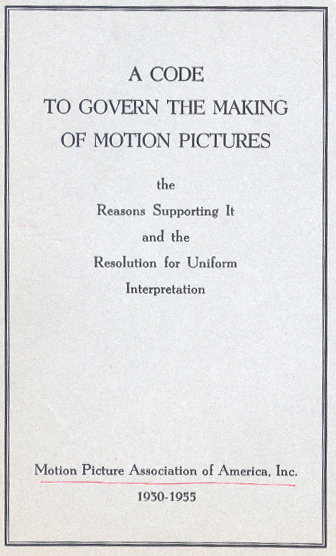
Image from Wikipedia: The Hays Code from 1934 to 1968. Click the image to read.
Hollywood became the super force in the cinema world. Its films circulated around the globe and shaped the very definition of what a "movie" was. The sets of values, aesthetics, and even the worldview were shaped with its productions. However, by the late 1940s, the studio system began to collapse, mainly due to the court decisions that broke the studios' monopoly, the rapid rise of television, and shifting audience tastes.
As nothing lasts forever, and every adversity also carries with it the seed of an equal benefit, the collapse of the old studio system was no exception. It opened the gate to new directions, more modern, bold, and experimental films. The history is proof of how the system, its limitations, and, at the same time, humans' creativity can together create something timeless.
We reached the end again. I would like to thank you for reading through this article until the end, and at the same time I hope it brought new information to you about Hollywood's entrance into the world of cinema.
Till next time!