END OF THE SILENT ERA
Greetings Filmthusiasts!
Welcome back to our next editon of the filmdelafilm newsletter, in this edition we are going to transition from a silence to a storyTELLING. We are going to introduce to you the invention that changed the film industry as we know it today, the psychological effects of the silence and why the silence became even more powerful after the arrival of sound. If you're ready, say I am ready!
Can you recollect any particular scene where the silence triggered your emotions by creating feelings of tension, alertness, fear, or curiosity? These silent scenes are creating the psychological effects on us as viewers, as our brain likes and dislikes certain stimuli; the silence works because of contrast. The sudden removal of a sound creates a vacuum that triggers psychological tension, heightened alertness, and sometimes even a sense of vulnerability. The brain waits for the next stimulus. That is why horror films go silent often right before a scary scene, and not because the silence is scary, but because the brain in general does not appreciate the gap.
Silence can connect us with the character's mind. You must have noticed whenever you've watched your favorite film, because we somehow identify with the character, the environment, and the storyline, and at that time we don't just watch the character; we become them. If we recollect any particular scene where the character is hyperfocused, only the sound of their breathing remains; if a character is overwhelmed, the external sound fades, etc. This is how the silence and sound are shaping our senses into the emotional overload. The silence is a tool for psychological realism.
To provide you an example, let's learn from Alfred Hitchcock films. Alfred understood that silence is far more frightening than noise. Do you agree with him? In multiple films, e.g., in The Birds or in Blackmail, he used it to force the audience to anticipate danger, create subjective fear, and build unbearable suspense. In The Birds, specifically, long stretches of silence make the attacks feel inevitable and surreal.
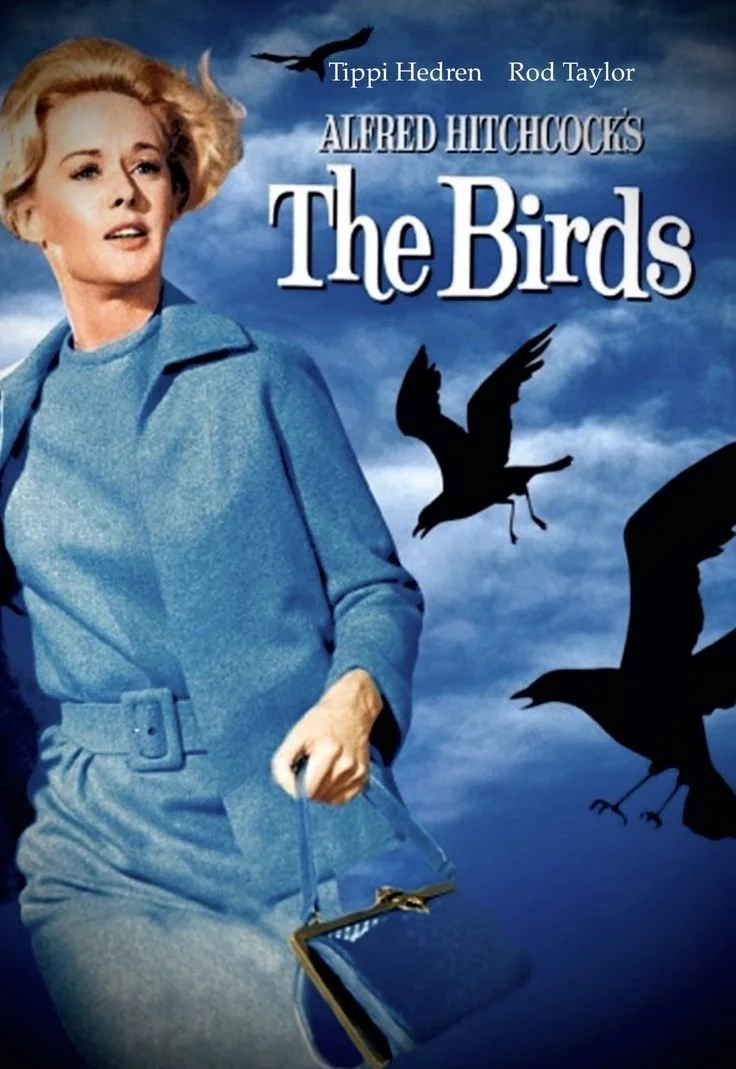
CLICK THE IMAGE TO WATCH THE OFFICIAL TEASER "THE BIRDS" BY LEGENDARY ALFRED HITCHCOCK
In the early film industry, the silence was not really a "silence." To us, now the early cinema looks mute, but to them in the past, it was never experienced the same way; in cinemas, there was a live pianist, organist, and sometimes even a whole orchestra playing. Let's not forget about the projection machines, which were extremely noisy. The audience talked, laughed, and commented. The sound effects, such as drums, sirens, and whistles, made the "silent film" more dramatic and engaging with the story line. Therefore, for a viewer during 1910-1925, the silence did not really exist. The cinema was a social, noisy, and lively theater. Imagine if we invited a viewer from 1910 to watch modern cinema; how would they react to modern cinematic silence? What we now perceive as artistic silence, they would probably perceive as a technical error.
Now, as we already have some basic understanding of the role of silence in the film industry, we can introduce you to the system that shook the industry after it was slowly introduced to the world by Bell Telephone Laboratories and Western Electric in 1926. Vitaphone utilized a method of recording sound on phonograph records that were played back simultaneously with the film projection, allowing for the integration of dialogue, music, and sound effects into motion pictures.
"The Voice from the Screen," a historic film from 1926 where the Vitaphone sound film system was explained. The first ten minutes are taken up by a Bell vice president, Edward B. Craft, looking straight at the camera, tentatively and hesitatingly giving us an explanation.
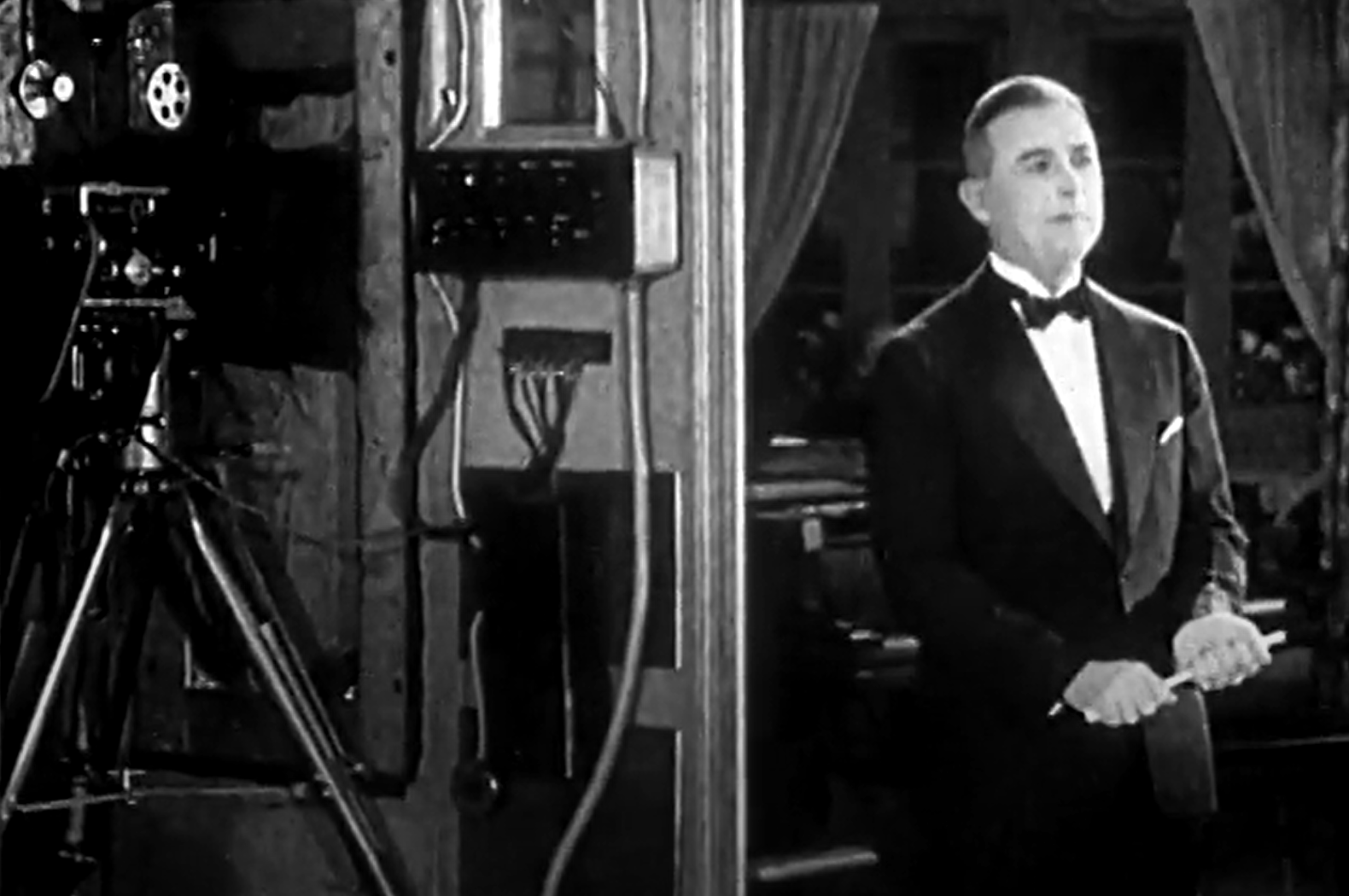
CLICK THE IMAGE TO WATCH "THE VOICE FROM THE SCREEN"
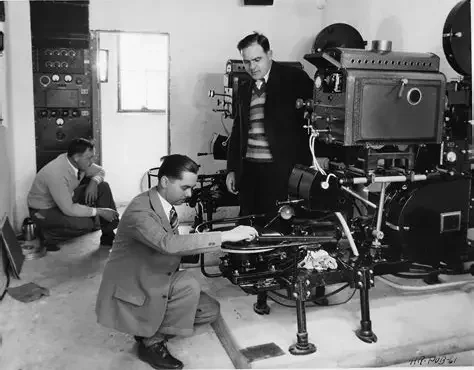
When synchronized sound entered the film industry, it quickly ended the "silent" film era and reshaped film storytelling. The elements of sound dialogue, music, and effects transformed the audience's expectations; it brought a new light to acting and editing and to everything that appears before the camera, known as "mise-en-scène" in the French language. The first film and shaped the way for the transition to sound films.
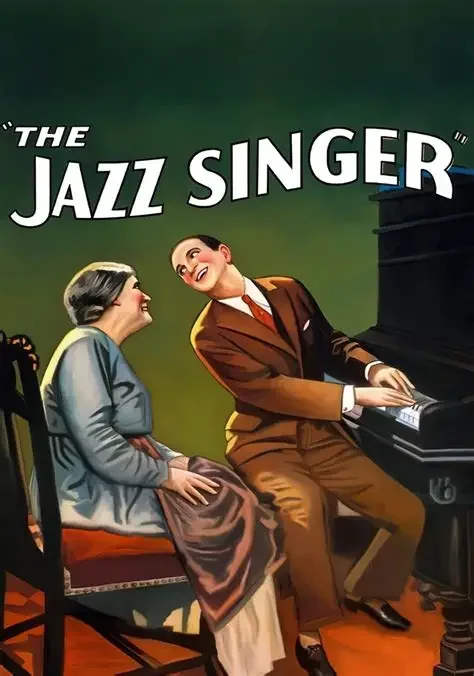
"THE JAZZ SINGER" BY ALAN CROSLAND AND PRODUCED BY WARNER BROS
Finally, we can summarize that sound indeed transformed films into multisensory storytelling, as it expanded the tools for narrative and forced rapid technical and artistic adaptation. If you are a film enthusiast interested in an evolving era of a film industry, we recommend a mental chewing diet to see and understand both the limitations and the creative breakthroughs by sharing your thoughts with us about what impact these films had on your visual and auditory senses. At the same time, we would like to thank you for reaching this far with us and being a valued member of the filmdelafilm community. We hope you enjoyed this short reading and that it brought some new information to you.
Till next time!