Framing "Digger": How the Movie Came to Life
Greetings, our fellow film enthusiasts! Welcome back to the filmdelafilm session of the month. Autumn is here, and with it comes the atmosphere of a warm beverage and a good film to watch. Who would not love this time of the year! October is a month of new film releases, and if you have not made any plans yet, we recommend giving yourself a break and visiting the local theatres to support the art of film and the real cinematic experience. If you've already made plans, share with us which film you're planning to watch. This month's colourful newsletter will be dedicated to the making of "Digger". By the time this newsletter is published, the film will already be screening in theatres across the globe. We hope you'll enjoy the film with us. Let's dig deep, shall we?
When we were thinking about the new article, we were carefully considering what would be best to share with you folks, and nothing is better than a nice satirical comedy with a slight touch of cool atmosphere behind the colourful and dreamy concept of the cinematography of "Digger". The confusion behind the whole concept of the film is widening, and the viewers have different opinions about whether this film will be a success. The marketing tools suggest that the film will portray Tom Cruise as we have never seen him, attracting a wide range of audiences, as we don't know what to expect of the movie before watching it.
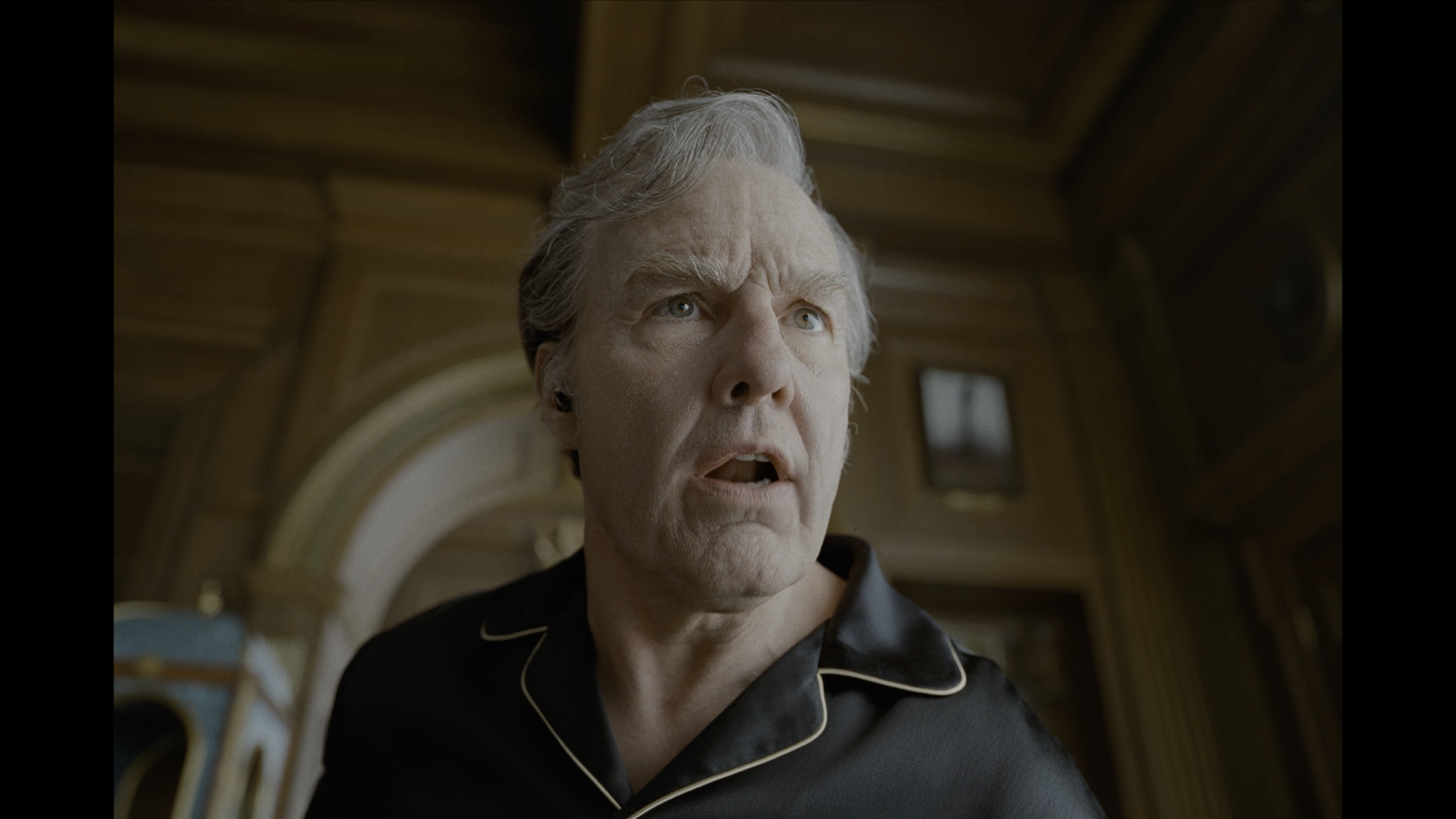
Movie Scene from Digger
Before we go any further, we want to thank Academy Award-winning filmmaker Alejandro G. Iñárritu for his dedication and hard work in making Digger, cinematographer Emmanuel Lubezki for his creative eye in positioning the story from a unique perspective, and the entire team and cast. Legendary Tom Cruise plays Digger Rockwell, a wealthy oil tycoon who causes a potential world-ending disaster in Greenland. This film is going to be something new and exciting for many, maybe slightly confusing, but we are already thrilled to witness it in the theaters.

Click the image to watch the Official Trailer
We wanted to follow the trend while still appreciating the old filmography techniques used during production. The fact that the entire set was filmed on VistaVision was the primary reason why we selected to include this film in our filmdelafilm newsletter.
VistaVision is a technique in cinematography which uses a high-resolution widescreen variant of standard 35mm, which runs the negative horizontally through the gate instead of the traditional vertical way. This technique was created in 1954 by engineers at Paramount Pictures. Each frame has eight perforations wide along the top and bottom edges. This allows wider exposure of the image, creating higher resolution, rich details and fine grain without the need of using anamorphic lenses. In many ways, VistaVision contributed to the foundation of sideways-oriented film formats that over time evolved into 70mm IMAX.
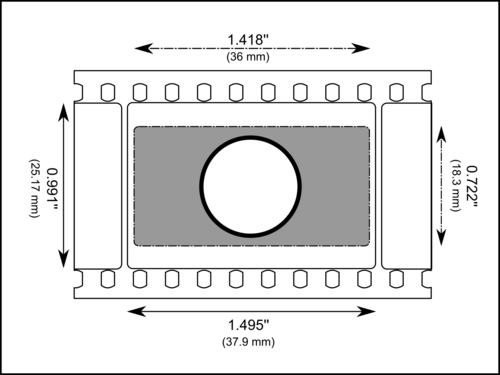
VistaVison Technique
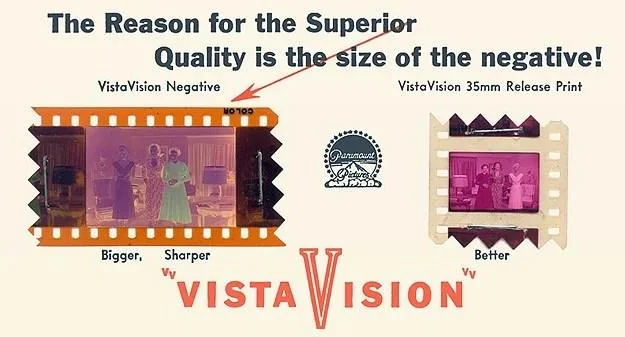
VistaVision Negative
Let's dig into the colouring of the film; the colour composition may seem a little pale to the audience's eye. The desaturated effect gives us, as the audience, the impression of a cold and lifeless environment to match the story's narrative. And as vibrant colours can often be a distraction, the absence of distracting colour allows us, as the audience, to fully indulge in the other important details of the film, such as the light, shadows, shapes and surface textures.
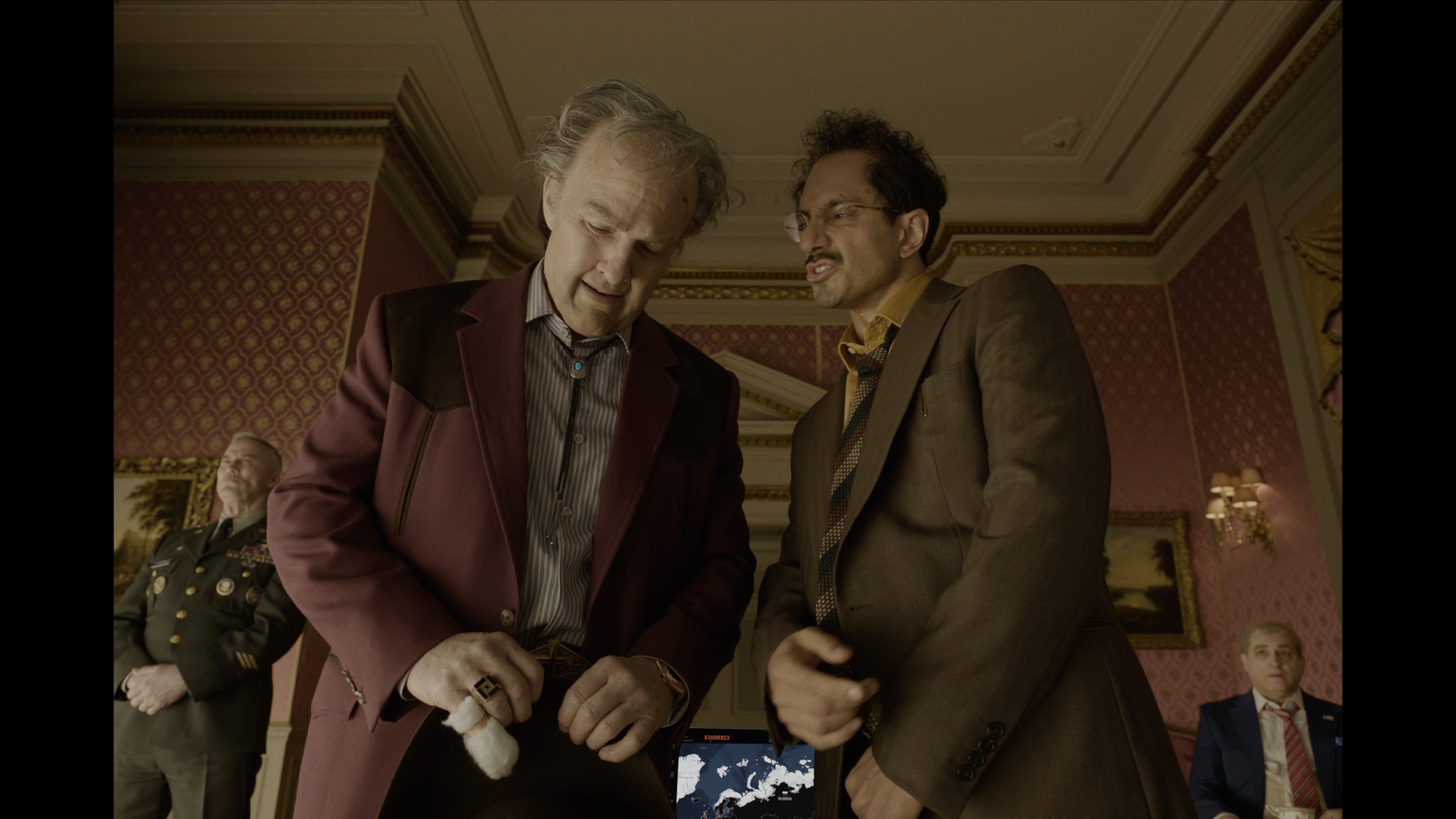
Scene from the movie Digger
There are several signature framing techniques we would like to explore; Emmanuel Lubezki's ultra-wide angles with fluid and continuous movements reinforce the film’s themes of isolation, billionaire arrogance, and theatrical deception.
Let's start with the close-up to wide-angle transitions. This combination technique provides a close-up look at the character's facial expressions. The close-up facial details, which transfer in the form of the strong emotions to the audience, slowly moving and widening the frame, suggest how something small can affect something big.
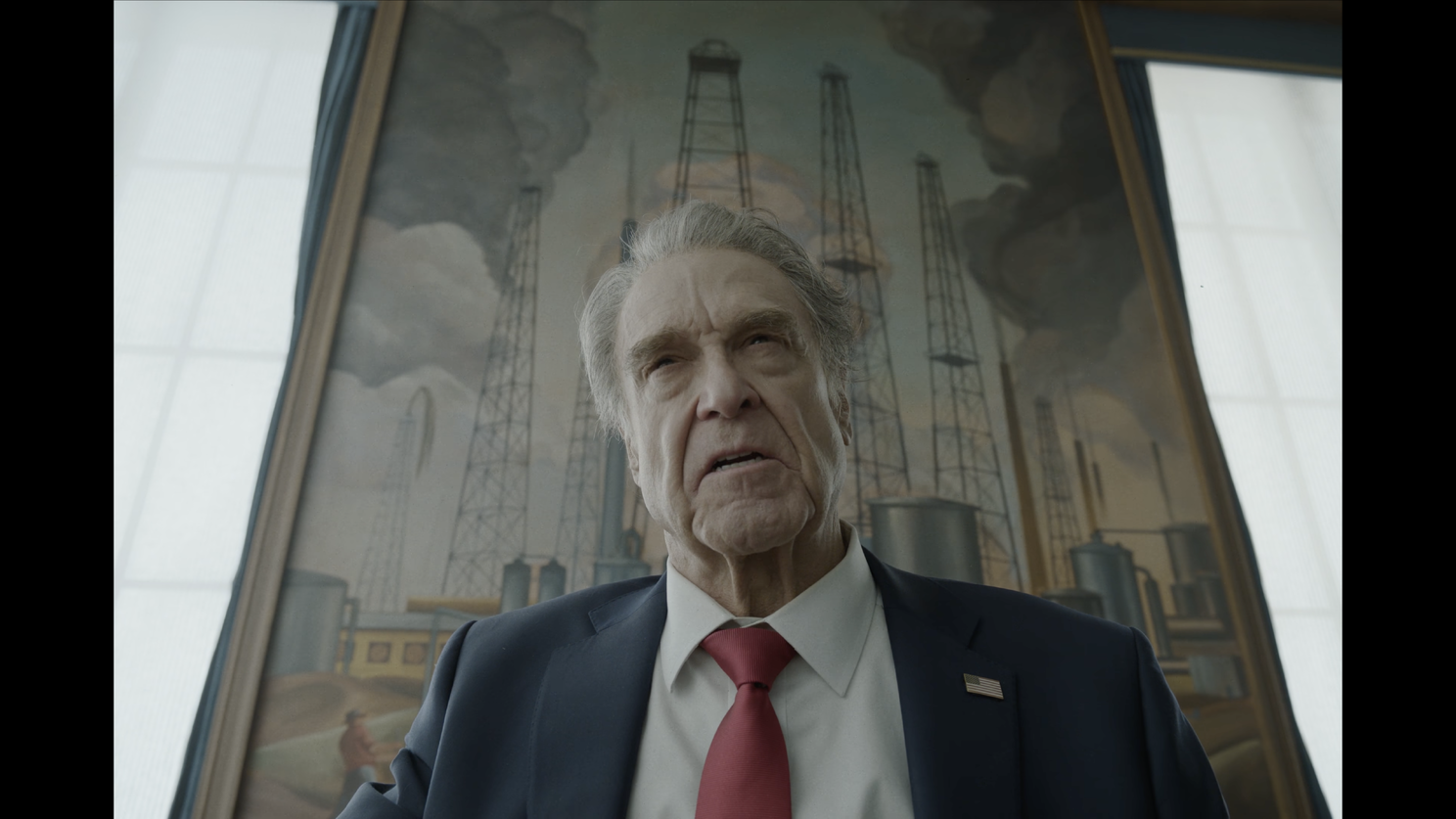
Movie Scene from Digger
The next technique used in the film is off-center composition, where the camera is often positioned in lower angles looking up, which creates empty spaces above the characters' heads. This visual composition makes the characters look physically small against the oppressive architecture of power.
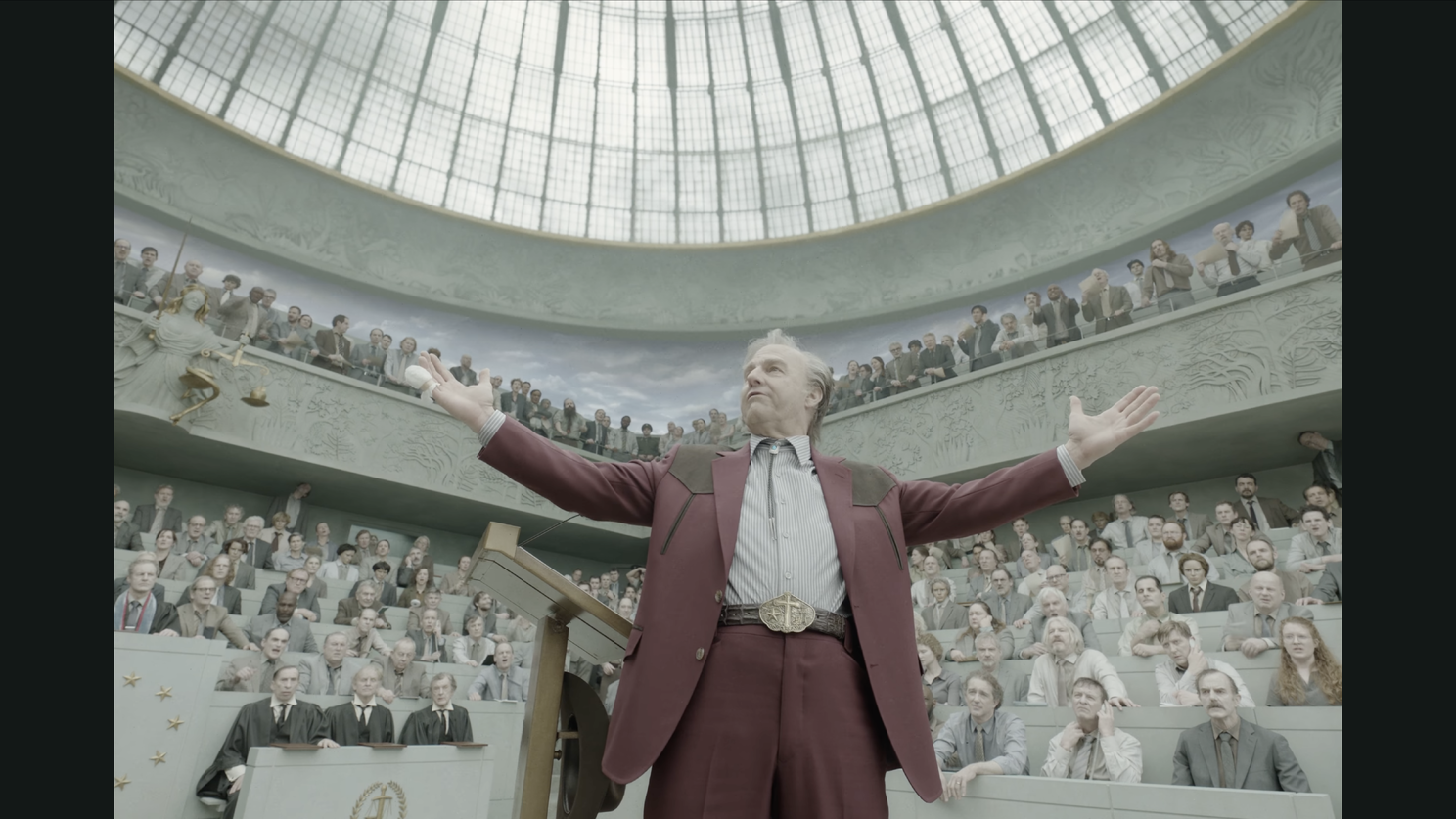
Movie Scene from Digger
If you expect standard over-the-shoulder shots, there won't be many of them - if any. Instead, the directors and cinematographers use "the roving frame" technique, where the camera focuses on and/or frames characters in continuous motion, which creates real-time momentum in the narrative. Finally, the rule-breaking Meta-Twist technique purposefully twists the narrative inside the movie, which subverts the audience's real-world expectations. Excited to watch yet?
A fascinating fact from behind the scenes is that Tom Cruise had to wear extensive facial prosthetics and a heavy fat suit to transform into the aging tycoon. The process took six hours; eventually, Tom challenged the crew members to bring a chalkboard and someone from the crew with a stopwatch to time the application of every prosthetic piece. Finally, through sheer efficiency, the team eventually managed to cut the process down to just an hour.
Digger's official release date is on October 2, 2026. The film already received different reviews from critics, and we invite you to watch the movie, make your judgment, and share the experience with us. We will be excited to read your reviews. We hope you'll enjoy the film and see it from different perspectives. We wish you a happy watching time!
Thank you for reading this article with us; we appreciate your continuous support and interest in the film industry. Please let us know, how do you like our articles at the same time, and we invite you to share them with others.
Till next time,
filmdelafilm
Disclaimer: This publication contains content from the film industry, including but not limited to movie stills, promotional imagery, trailers, and audio clips. This content is displayed and analyzed strictly for non-profit educational, research, critique, review, and editorial purposes. All intellectual property, trademarks, and copyrights for the films, characters, artwork, and related materials belong to their respective owners (studios, production companies, and distributors). No infringement of copyright is intended. This constitutes a 'fair use' of any such copyrighted material as provided for in Section 107 of the US Copyright Law (or corresponding local legislation). If you wish to use copyrighted material from this site for purposes of your own that go beyond 'fair use', you must obtain permission from the copyright owner. If you are a copyright owner and believe your work has been used in a way that constitutes copyright infringement, please contact us directly through the filmdelafilm page to request immediate removal.