In the Shadow of Light: How the Light Shapes the Movie Industry
Greetings, our fellow film enthusiasts. We hope your last month has been super productive and very successful. We have been thoughtfully preparing the next chapter for this month's filmdelafilm session. We were fortunate to witness a solar eclipse, during which the idea for this month's article was sparked. The Sun is our primary source of light. We call it differently in other languages. In the Slovak language, we call it Slnko; in Finnish, we call it Aurinko; in Italian, Sole; in Hindi, Sūrya; etc. Not to worry, this isn't going to be a language lesson; however, we wanted to mention it, as it is going to relate to our theme. This article will focus on the fundamentals of light in motion pictures and photography. This can get a bit technical, but rest assured, we will try to make it interesting. Let's turn the lights on!
A question for you: Have you ever wondered why the first call of the director, before the shooting of the film starts, is the phrase "Lights, camera, and action"? One would think, logically, that giving a command would ensure that everyone is ready to deliver the task given during the shooting of the film. In the early days of movies, it used to get chaotic during filming, not to mention the high cost of the filming equipment; therefore, the pioneering directors coordinated the sets manually. The word "light" came first because of the massive power it consumed and the extreme heat, so the crew kept them off until the last moment. This, however, was a concern with the artificial light used on the sets. When it comes to the nature of natural light, the production strictly relies on the available sources, like the sun or the windows, to create a deep emotional concept by turning unforced visual textures into a powerful narrative contract with the audience. From the list of films shot using mainly natural light and an outdoor environment, we want to praise The Revenant, directed by Mr. Alejandro G. Iñárritu and shot by Mr. Emmanuel Lubezki. Of course, the filmmakers often rely on shaping and controlling the light by using other equipment to create dramatic visuals.

Wikipedia Image of the movie poster of "The Revenant"
The understanding of light is important in photography and motion pictures; however, we don’t have to go deep into the subject to understand simple facts upon which photography and motion pictures are based. It was not long ago (approx. 300 years ago) that Christiaan Huygens thought of light being transmitted through the luminiferous aether (which was a hypothetical medium to transmit the light waves in the Universe). This was disproven by Sir Albert Einstein in the late 1800s while Albert was conducting an experiment to measure the Earth’s movement through this medium. The experiment did not prove the theory, so the concept was entirely discarded in 1905 when Albert proved in his Theory of Relativity that light can travel through a vacuum without any medium.
Light, in simple language, is a super-fast bouncing energy traveling through the air to open the curtain to the human eyes to witness the world around us. It is made of photons, which are massless packets of energy that act like ping-pong balls, carrying momentum and transmitting electromagnetic force. It can be very tricky, as when it hits any object, the object absorbs some of the light and reflects the rest into our eyes, which allows us to see the colours.
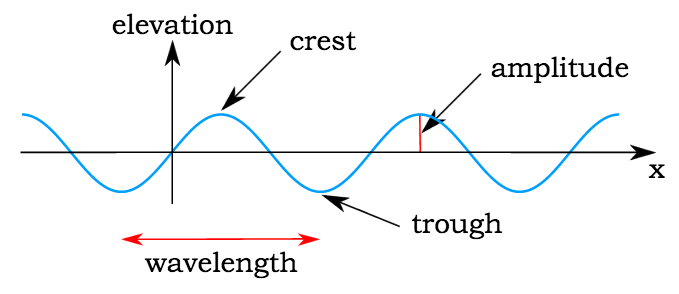
Sinusoidal wave (Click the image for the original source)
In cinematography, when working with natural light, we want to understand the phases of the light during the day; the most common to us is the golden hour phase, which delivers a very soft, low-angle warm glow. This glow complements subjects and adds to abundant spatial depth. The golden hour does not last long, rarely a full hour, depending, of course, on the location and season. A production of a wonderful classic, Days of Heaven, exclusively relied on the natural light during the magic golden hour to achieve natural beauty.
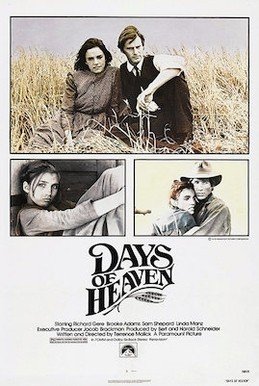
Wikipedia image of a movie poster "Days of Heaven"
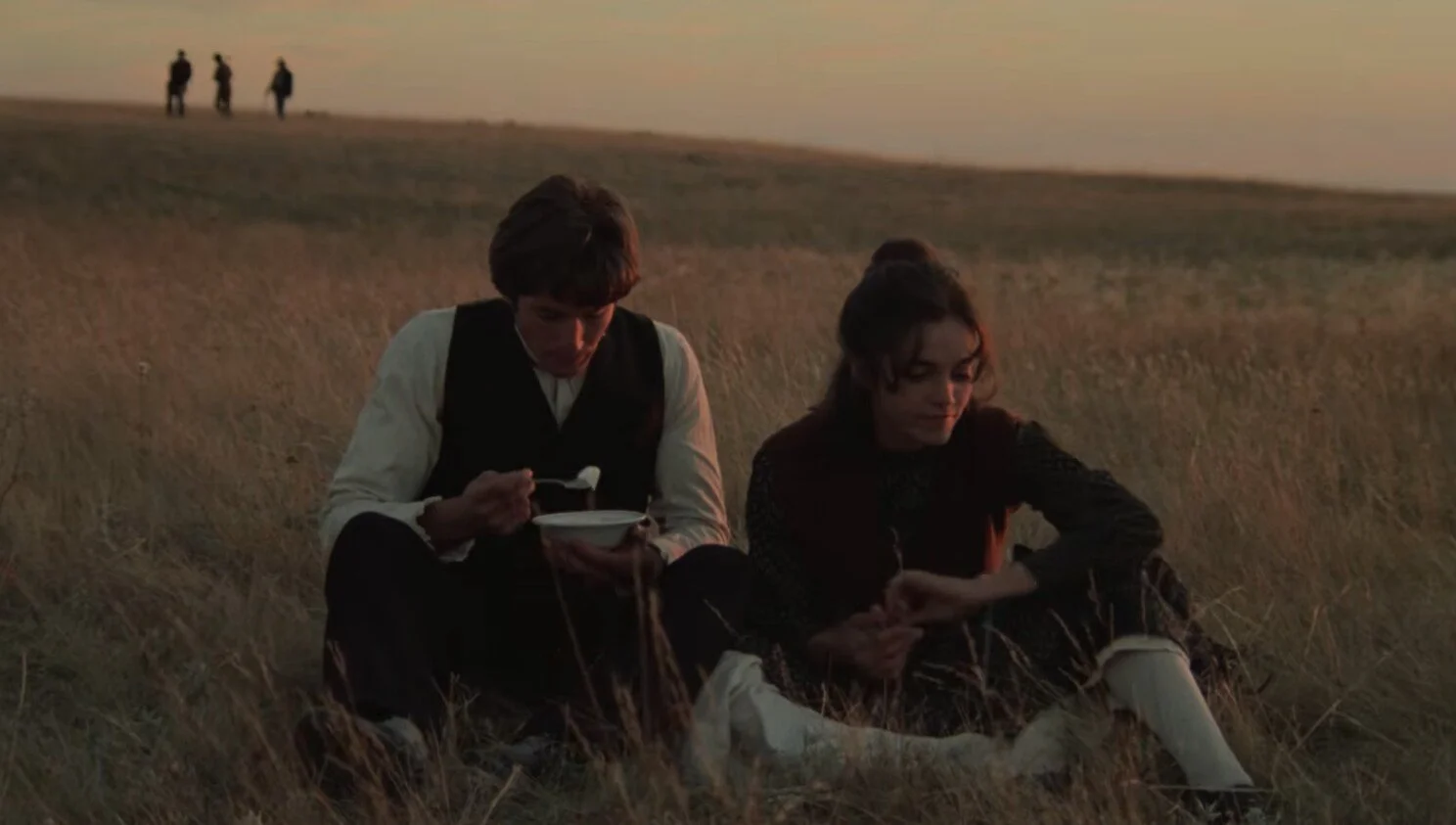
A movie scene from Days of Heaven
The blue hour creates deep, cool blue tones and occurs before sunrise or right after sunset. This period of light is very short, lasting up to 40 minutes, again depending on the season and location. The predominant colours are cool blue and indigo, which increase saturation in the surrounding environment. The production of the already-mentioned “The Revenant” used natural light (golden hour & blue hour) for its lighting to emphasize the extreme cold environment.
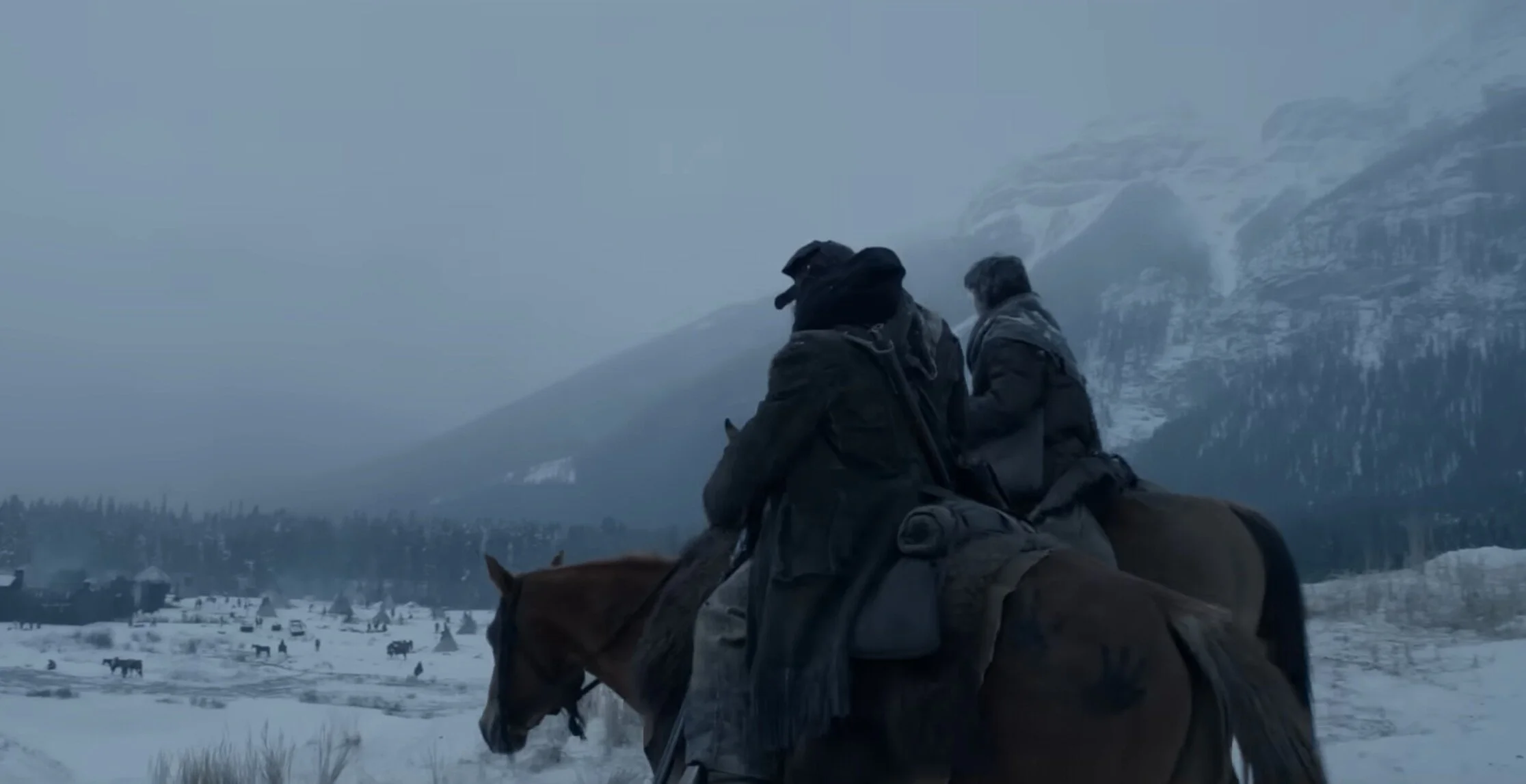
A movie scene from The Revenant
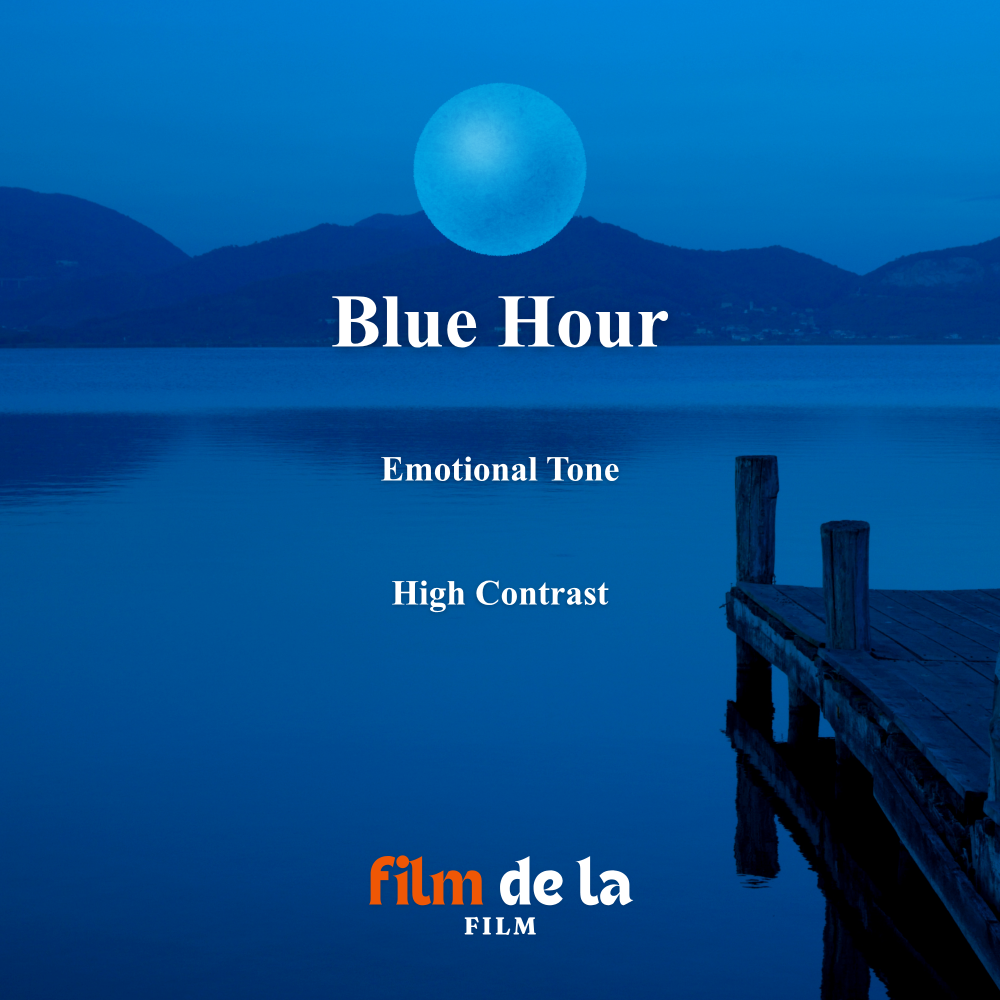
Blue Hour
Midday Sun creates strong, harsh highlights and high contrast that require a few strategies to soften the light, working with shade, light diffusers, and neutral density filters. This period of light is great for westerns, post-apocalyptic scenes, or desert survival stories to visually communicate extreme heat and exhaustion. A very good example of a film shot during direct midday lighting is "Sicario." A legendary cinematographer, Mr. Roger Deakins, heavily relied on harsh direct midday sun to create intense contrast in the desert landscapes.
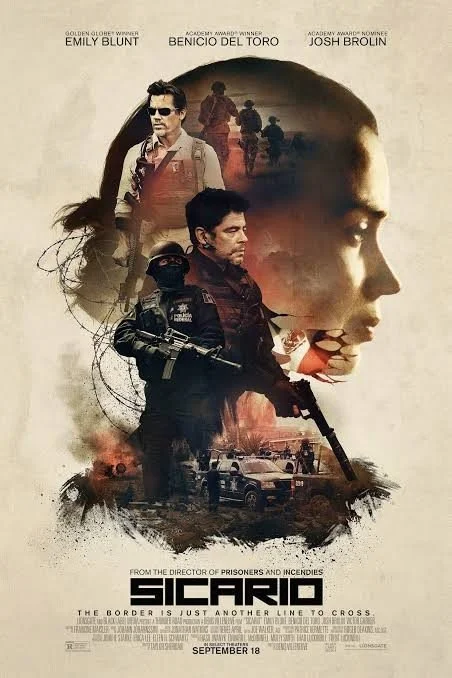
Source of poster image: IMDb
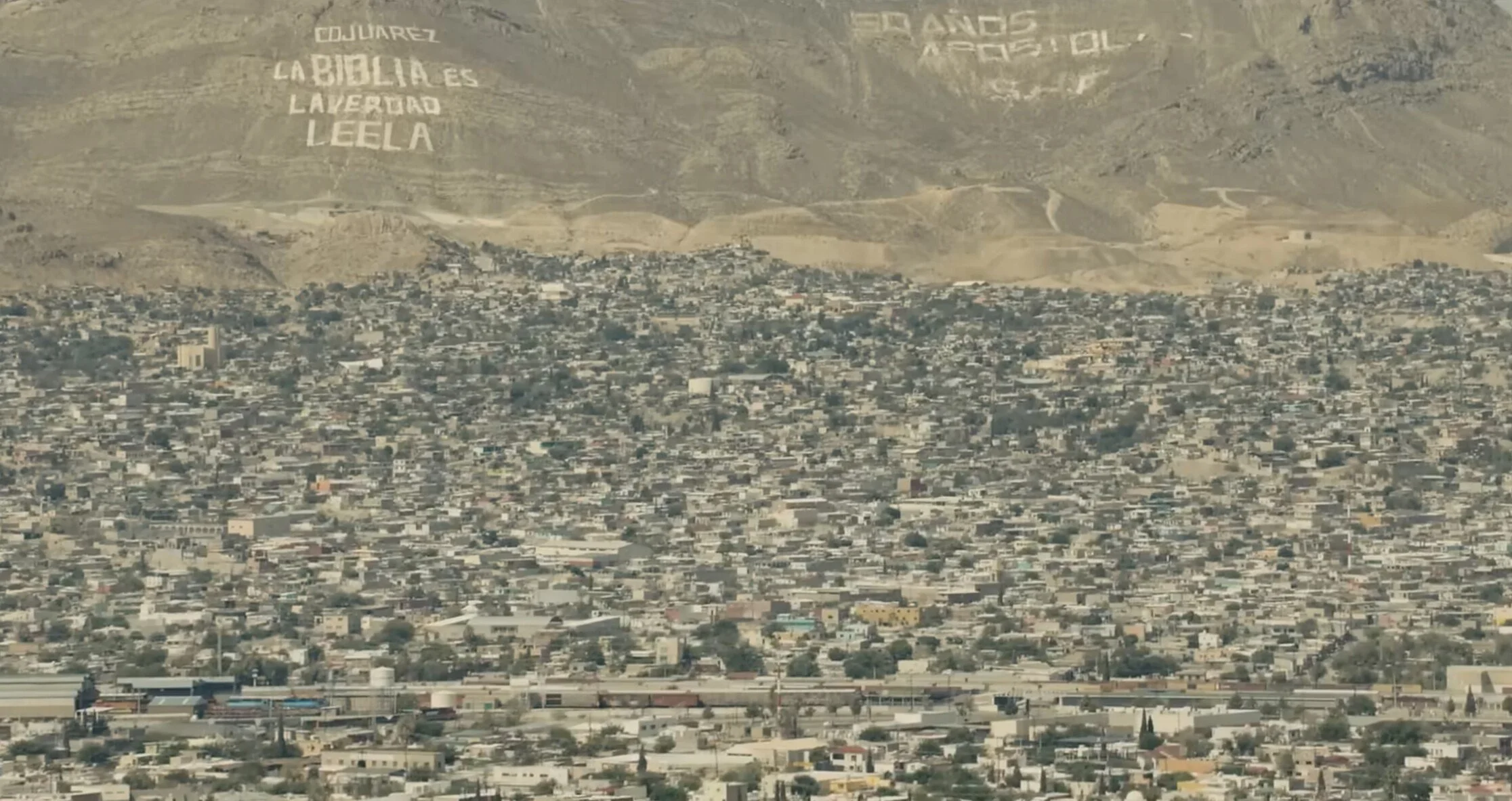
A movie scene from Sicario
That was some information about natural light in cinematography; now we can transition to the use of artificial lighting in the film industry. Different types of lighting setups in cinematography bring different moods to the viewer, creating appealing storytelling visual effects. We selected the greatest classic of all time, The Godfather, designed by master cinematographer Mr. Gordon Willis, also known as "Prince of Darkness," to learn about the fundamental types of film lighting. The whole concept of lighting techniques in this trilogy is based on low-key, shadowy lighting, or the chiaroscuro (art) technique, and overhead lighting. These techniques use contrasts between light and dark to evoke a sense of depth, drama, and mystery.
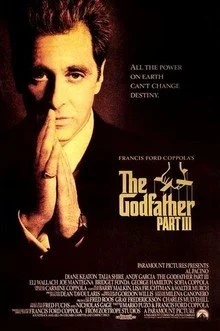
By Paramount Pictures, Fair use
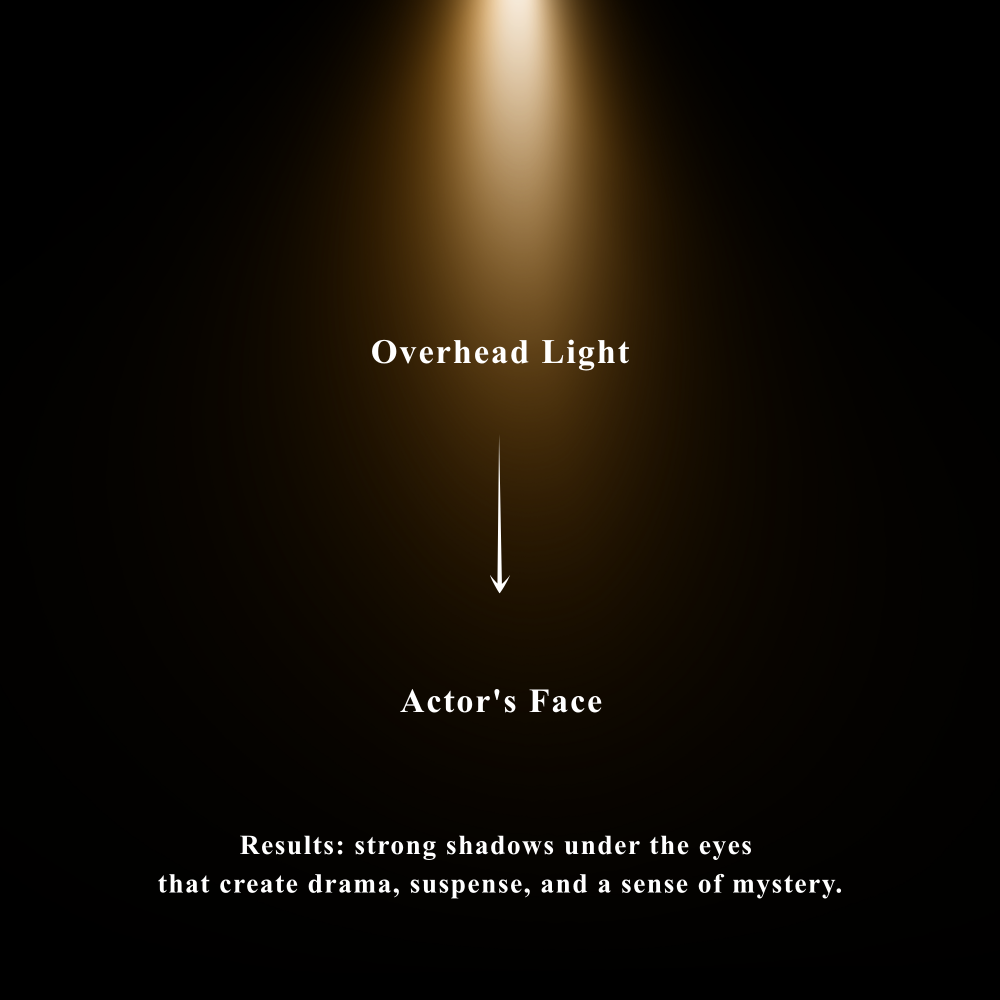
Overhead ight in cinematography
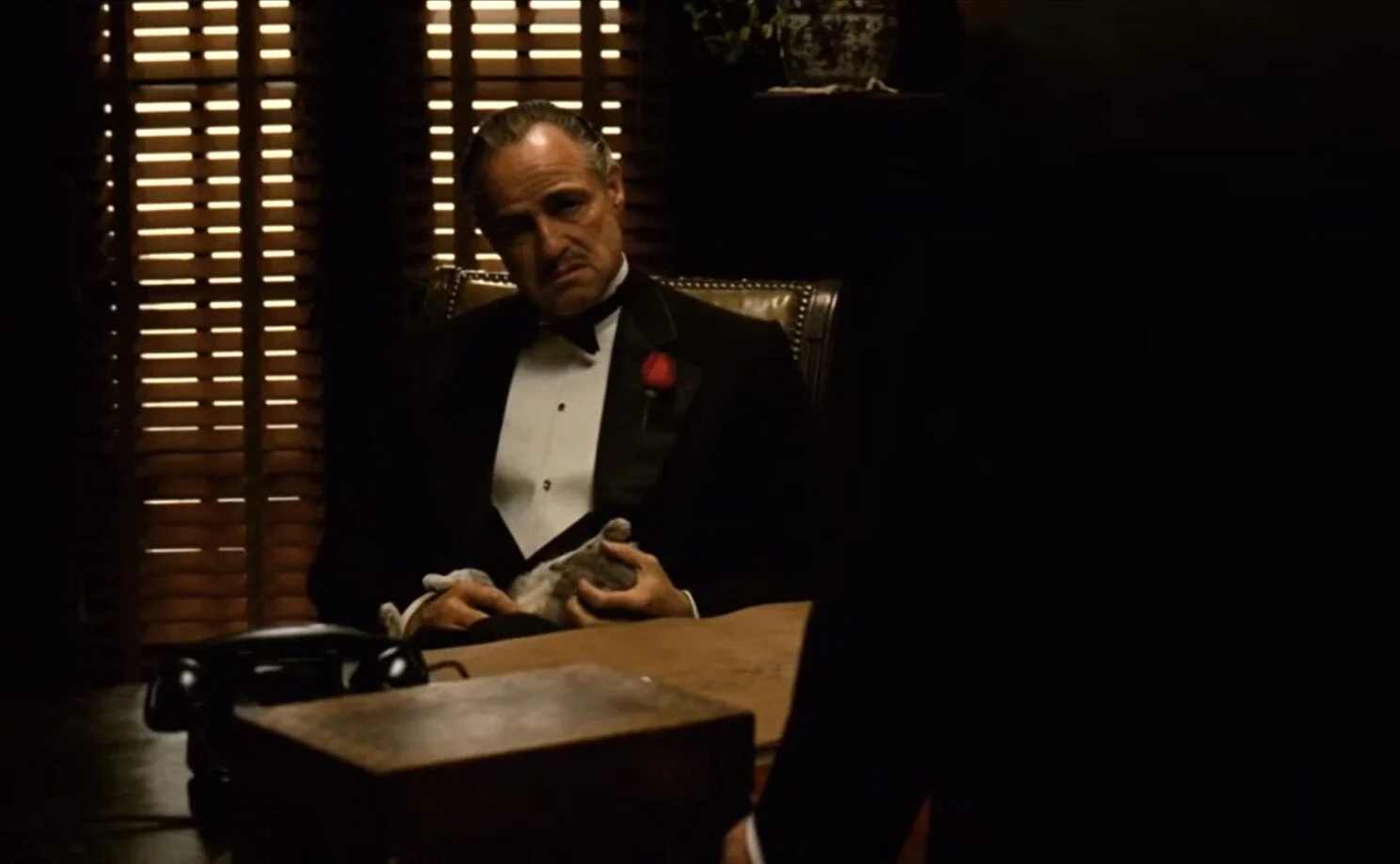
A movie scene from The Godfather
To understand the lighting techniques in general, it is advised to learn by doing (using whatever resources we have and safely experimenting) or simply by watching the film and observing the techniques. We highly recommend seeing the film from the lighting perspective to observe where the main source of light is coming from, the reflections in the eyes of the artists performing the acts or from the shiny objects, and whether the light source is coming from the top angle or the side angles; watch for the shadows and the light reflecting on the skin. What type of light is it: warm light, cool light, daylight or colour light? This way, it becomes more fun to learn, and if you are a serious student of cinematography, have a journal close by, stop the film and make notes during the specific scenes.
In this article, we covered the nature of light and its use in the film industry; we covered some techniques of using artificial lighting and examples of epic films and their lighting techniques. We hope you enjoyed this month’s session with us and learned something new. If you liked this article, support us by subscribing to our monthly newsletter or by commenting and liking the posts. We truly appreciate each and everyone’s support in growing this community of film enthusiasts. We are open to any suggestions for improving our work; please do not hesitate to contact us directly through the filmdelafilm page.
Till next time,
Disclaimer: This publication contains content from the film industry, including but not limited to movie stills, promotional imagery, trailers, and audio clips. This content is displayed and analyzed strictly for non-profit educational, research, critique, review, and editorial purposes. All intellectual property, trademarks, and copyrights for the films, characters, artwork, and related materials belong to their respective owners (studios, production companies, and distributors). No infringement of copyright is intended. This constitutes a 'fair use' of any such copyrighted material as provided for in Section 107 of the US Copyright Law (or corresponding local legislation). If you wish to use copyrighted material from this site for purposes of your own that go beyond 'fair use', you must obtain permission from the copyright owner. If you are a copyright owner and believe your work has been used in a way that constitutes copyright infringement, please contact us directly through the filmdelafilm page to request immediate removal.