The Odyssey of Blockbuster: From WWII to Hollywood
Greetings, our fellow film enthusiasts! Welcome back to our filmdelafilm get-togehter session to explore the world of cinema. During this session, we would like to introduce you to a new theme of the month. Before disclosing it, we would like to give you some hints. What do you think these films have in common? - Jaws, Star Wars, Jurassic Park, Titanic, or the modern legends Avatar or even the very recent The Odyssey. These films are considered "blockbusters". Yes, this short episode will be dedicated to the "blockbuster", the meaning of the word, the characteristics of the blockbusters, and other curiosities. Shall we?
Did you know that 'blockbuster' was originally a military term used in World War II? In 1940, the term was used for a powerful bomb that could destroy an entire city block. However, over time, this term shifted its meaning, and people started using it to describe something huge that made a humongous impact in entertainment. In the film industry, this term represents a cultural film that is highly popular and fast-selling. The key characteristics of a modern blockbuster are massive budgets, as they require hundreds of millions of dollars to produce the film, and then they are marketed as cultural events across thousands of theatres worldwide during peak seasons. This allows filmmakers to create the worlds that we get so indulged in, the advanced visual effects, the production design, and technically challenging action sequences. However, big spending does not often guarantee success, but blockbuster filmmaking often requires this financial risk.
The first official film tagged as a "blockbuster" was directed by the amazing Mr Steven Spielberg, Jaws, from 1975. Universal Pictures released this film in hundreds of theaters nationwide during the summer season, and this was, of course, supported by the large advertising campaign. The initial release of Jaws in 1975 earned around $200 million domestically and reached more than 400 million worldwide. This film became the first in history to cross the $100 million mark, becoming the highest-earning film of all time.
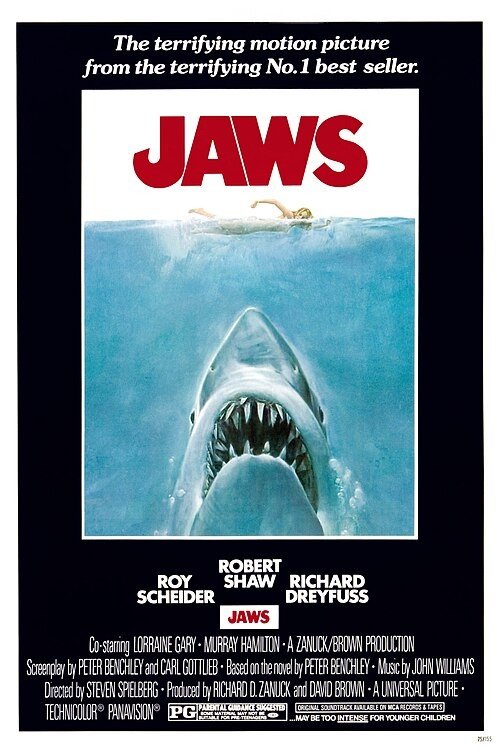
Image from Wikipedia - Movie poster of Jaws from 1975
Another multi-generational blockbuster by Mr George Lucas, Star Wars became a cultural obsession, transforming the movie industry through the power of franchise storytelling, visual effects and movie merchandising.
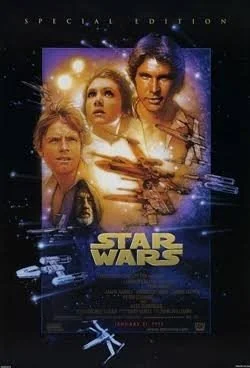
Star Wars Movie Poster
In the past articles, we already introduced the vertically integrated system in the film production industry, which dominated in a period of New Hollywood. This system was replaced by a more flexible structure – the blockbuster. This structure brought different strategies to attract the audience by casting popular movie stars, as major stars attract audiences across generations and regions. Their presence increases media attention, investor confidence, and global distribution potential. For comparison, please see the structure of both in the visuals below.
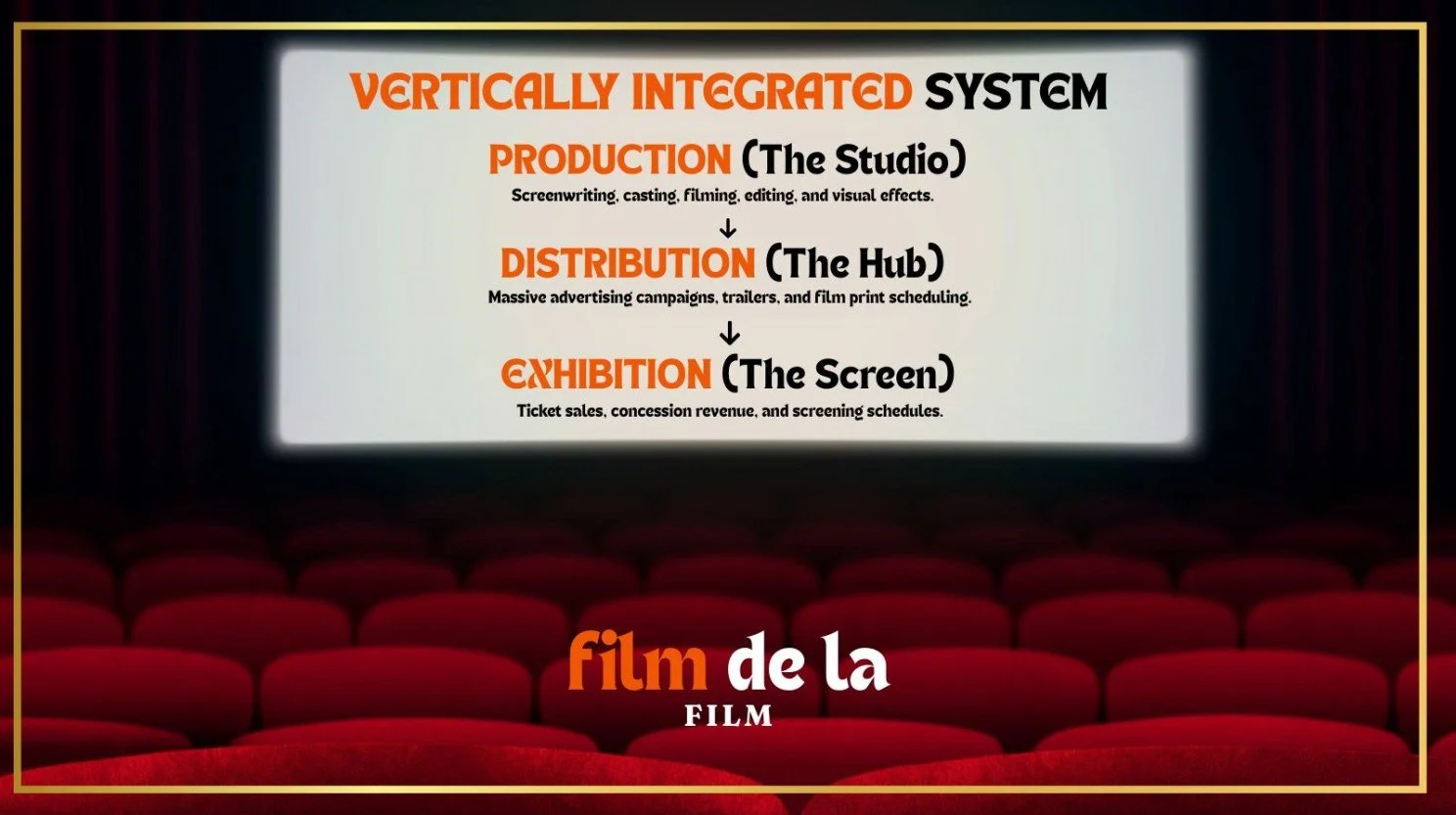
Vertically Integrated System
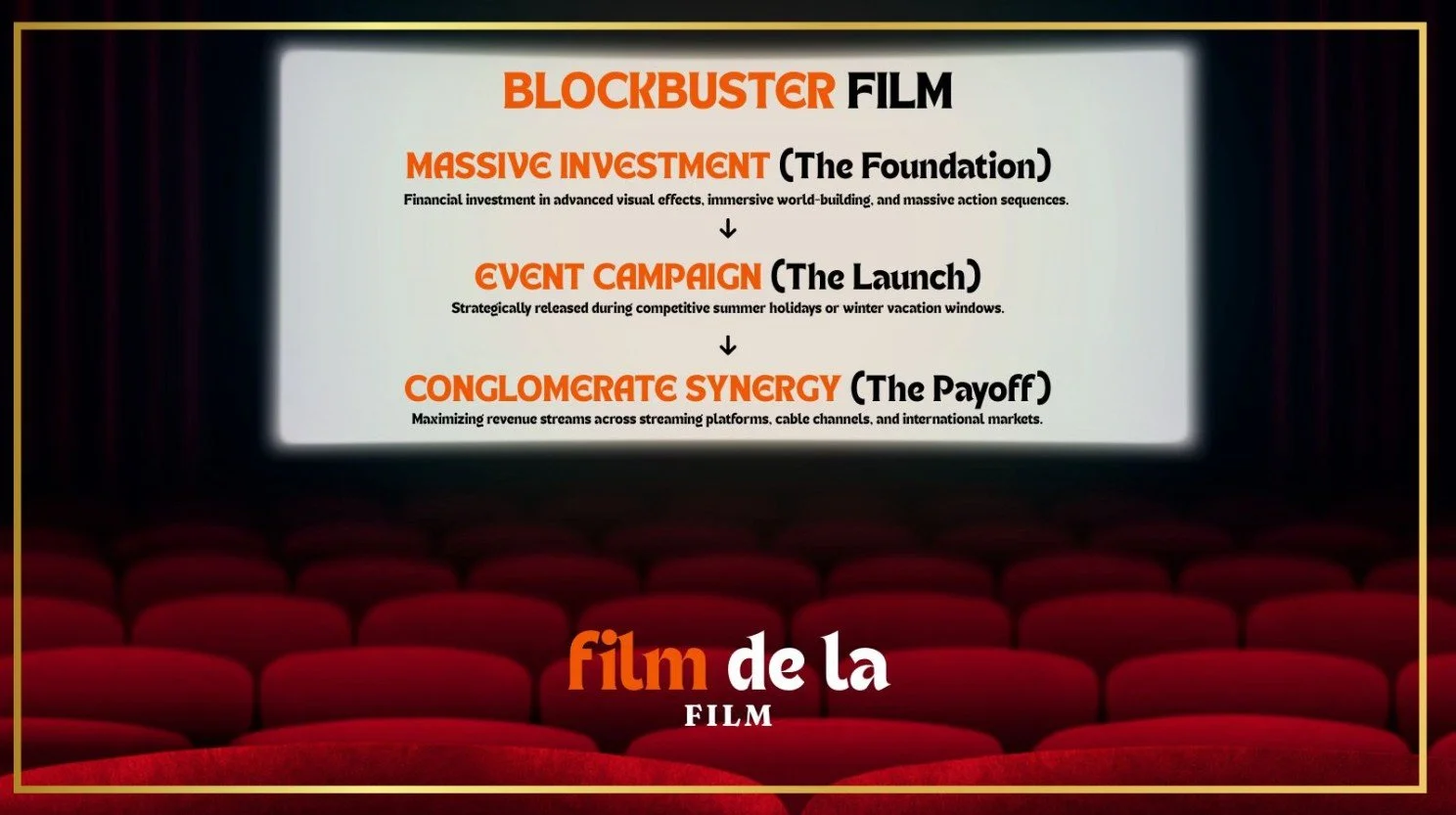
Blockbuster Film
When we look back in history, cinema often produced great and successful movies; however, it was not until the blockbusters officially gained stardom that the stories of the films created a huge impact in society. They became part of our collective consciousness. The whole “drama” around the initial screening starts months before the official screening. Even before that, people are discussing, debating, and speculating about the potential cast, storyline, plot twists, etc. So much is happening before the premiere of the film, for example, merchandising that appears months before the official release of the film, teasers, interviews, film posters, songs, promotional tours, social media campaigns, and film events that all contribute to the excitement. These strategies cause us/audiences to become passionate about a movie before we even see it.
Blockbuster films often shape the cultural response in the form of new fashion trends, internet memes, dialogues, and even tourism. During the recent The Odyssey premiere, directed by talented Mr Christopher Nolan, people travelled to different countries just to witness the premiere on a 70mm IMAX screen. We at filmdelafilm were also lucky enough to witness this film on an IMAX screen, and quite frankly, we truly loved the experience and highly recommend seeing it if possible. When I mentioned in the beginning that this film earned the status of my favourite (at this time), it was because of the fact that the whole sequences were captured on 65mm film, using IMAX cameras, which to me personally is mind-boggling, and the post-production required a lot of effort to bring this story to life for us to enjoy, and that is truly admirable. Salute to the entire team; each character involved in this project deserves a medal.
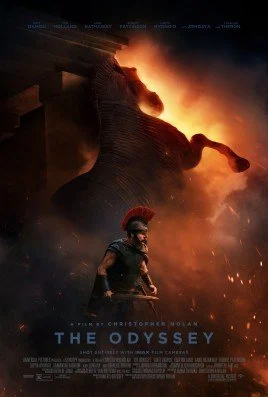
Wikipedia Image of The Odyssey film poster
If we examine closely the meaning of "blockbuster" in the film industry, it does not characterise only the success of the movie per se; the term refers to a movie that produces high box office earnings, large audience reach, strong media visibility, and long-lasting popularity. It often attracts audiences across the regions, age groups, and demographics. It comes closely to a measurable scale, revenue, theatrical reach, repeat viewership, overseas collection, merchandising, and long-term brand value. All this contributes to whether a film is considered a blockbuster.
Hollywood movies like Jaws, Titanic or Avatar became famous blockbuster movies not only because they were financially successful projects but also because they shaped our imagination on a massive scale. The blockbuster structure became central to Hollywood business strategy. As we already mentioned in the beginning, studios release blockbuster films across thousands of screens simultaneously to maximise visibility and opening-week revenue.
In conclusion, the blockbuster term brought new light into the world of cinema; the whole concept reshaped the way films are being produced and marketed to the world, gaining stardom for the years to come by creating a collective experience that shapes human imagination and experience.
What is your favorite blockbuster film, and what is the reason why? Share with us in the comment section. Finally, I would like to thank you for reading this far with filmdelafilm. If you liked this short reading, you can support us by sharing this article with your film enthusiasts, clicking the like button, and sharing your thoughts. We appreciate any feedback, as this newsletter was created to learn from the film industry lovers, professionals, and anyone who shares a passion for this industry.
Till next time,